Introduction
Navigating the world of towing can feel daunting, especially when you find yourself in a sticky situation where you need roadside assistance. Whether you're dealing with a car breakdown, an accident, or simply require junk car removal, it's essential to have a solid grasp of local towing regulations. Each locality has its own set of rules that govern how towing operates, what services are available, and the rights of drivers and towing companies alike. So, buckle up as we dive deep into the intricacies of towing regulations.
Understanding Local Towing Regulations: What Drivers Should Know
When it comes to understanding local towing regulations, knowledge is power. Every towing services city and county has unique laws that dictate how towing services operate, including licensing requirements for tow truck operators and protocols for handling damaged vehicles.
1. The Basics of Towing Services
Towing services can range from 24-hour towing to specialized offerings like motorcycle towing and heavy-duty towing. Familiarizing yourself with these services is crucial for any driver.
1.1 Types of Towing Services
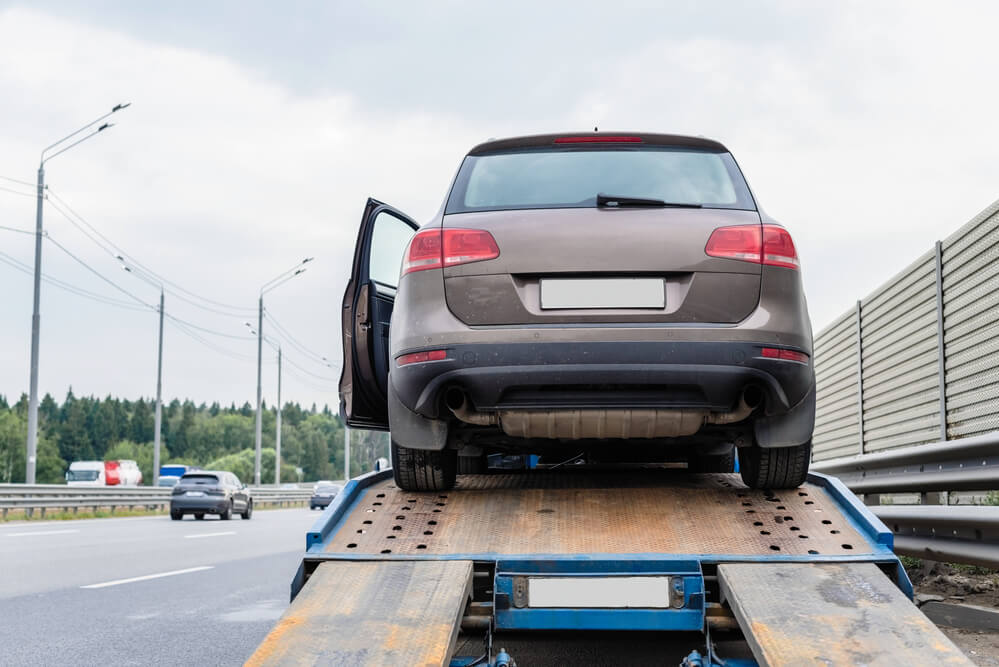
- Emergency Towing: Available 24/7 for urgent situations. Flatbed Towing: Ideal for transporting vehicles safely without damage. Long Distance Towing: Great for moving your vehicle across states. Accident Recovery Towing: Specifically designed to assist in post-collision scenarios.
2. Licensing Requirements for Tow Truck Operators
Most jurisdictions require tow truck operators to have specific licenses and permits. This ensures they meet safety and operational standards.
2.1 How to Verify Licensing
Drivers can usually verify a tow company’s licensing through their state’s Department of Motor Vehicles (DMV) or equivalent authority.
3. Local vs. State Regulations
While state laws provide a framework for towing operations, local regulations often add additional layers that must be adhered to.
3.1 Examples of Local Regulations
- Restrictions on where vehicles can be towed from. Limits on fees charged by tow companies. Required signage in private lots indicating tow policies.
4. Rights as a Vehicle Owner
Understanding your rights as a vehicle owner can save you headaches down the road—literally!
4.1 Right to Retrieve Your Vehicle
If your vehicle is towed, you generally have the right to retrieve it promptly without excessive fees.
4.2 Fee Transparency
Tow companies must provide clear information about their fees before performing any service.
5. The Role of Tow Companies in Accidents
Tow truck operators play a significant role in accident recovery scenarios, assisting not just with vehicle removal but also providing support for impacted drivers.
5.1 Understanding Accident Recovery Towing Procedures
In most cases, emergency responders will coordinate with local towing companies during accidents, ensuring safe removal without compromising evidence.
6. What Happens After Your Vehicle is Towed?
After your vehicle is taken by a tow company, there are specific steps you should know about retrieving it.
6.1 Contacting the Right Tow Company
Make sure you contact the correct company; often multiple companies service different areas within municipalities.
6.2 Necessary Documentation for Retrieval
You may need identification and proof of ownership before retrieving your vehicle from the impound lot.
7. Cost Factors in Towing Services
Towing costs can vary widely based on several factors—knowing them can help you avoid being overcharged.
7.1 Average Costs Associated with Different Types of Tow Services
| Type of Service | Average Cost Range | |-----------------------------|---------------------| | Emergency Towing | $75 - $200 | | Flatbed Towing | $100 - $300 | | Long Distance Towing | $200 - $800 | | Accident Recovery | $150 - $500 |
8. Choosing a Reliable Tow Service Provider
Selecting the right local towing company involves more than just looking for "tow truck near me." Consider reputation, reviews, and availability.
8.1 Researching Tow Companies Online
Utilize online platforms like Google Reviews or Yelp to gather insights about different providers in your area.
9. Local Towing Companies vs National Chains
Should you choose a local towing company over a national chain? Let's weigh the pros and cons!
9.1 Benefits of Local Companies
- Personalized customer service Faster response times
9.2 Advantages of National Chains
- Availability across various regions Standardized rates and practices
10. Understanding Your Insurance Coverage Related to Towing Services
It’s vital to know what your auto insurance covers regarding towing services—after all, this could save you money!
10.1 Common Coverage Options
Many policies include roadside assistance plans that cover various services such as battery jumpstart service or flat tire help.
FAQs About Local Towing Regulations
1. What do I do if my car gets towed?
Contact the relevant local authority or check online directories specific to your city to locate where your car was taken and understand retrieval procedures.
2. Can I dispute towing charges?
Yes! If you believe you've been wrongfully charged or if there were discrepancies in signage around where your vehicle was parked, you may file a complaint with local authorities or seek legal advice if necessary.
3. Are there limits on how much tow companies can charge?
Yes! Many states impose caps on what tow companies can charge under certain circumstances; however, these limits often differ between jurisdictions.
4. How long can my car stay in an impound lot before I'm charged extra fees?
Each locality sets its own timeframe; typically ranges from 24 hours up to several days before additional fees accrue for storage at an impound facility.
5. Do I need special equipment for motorcycle towing?
While not always required, using appropriate straps or dollies helps ensure safe transport without damage during motorcycle towing sessions.
6. Is roadside assistance included in all insurance policies?
Not all policies automatically include roadside assistance; check with your insurance provider directly regarding options available based on individual needs!

Conclusion
Understanding local towing regulations is not just beneficial—it’s essential! Being informed empowers drivers like yourself by ensuring that you're prepared if an emergency arises requiring immediate assistance such as flatbed or heavy-duty towing services—whether due to breakdowns or other unexpected incidents on roadways! By familiarizing yourself with these rules and knowing which questions ask when seeking help from professionals nearby—like searching “tow truck near me”—you’ll navigate any bumps along your journey smoothly while adhering closely with all applicable laws governing region-specific operations surrounding transportation systems today!